
.svg)

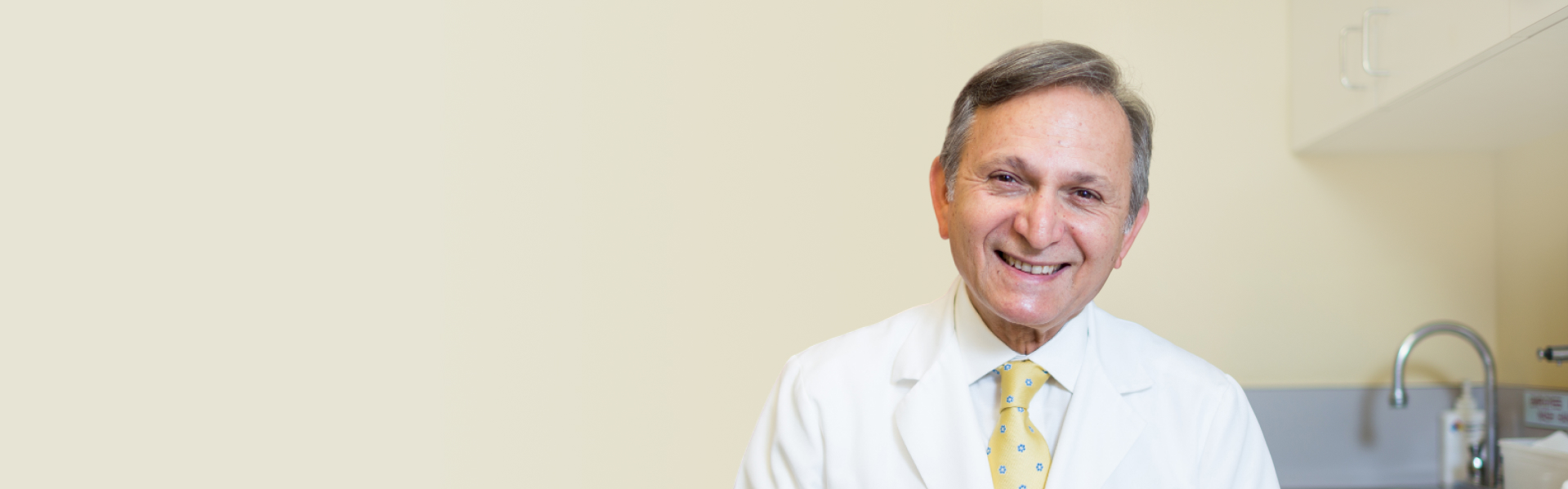

With over 40 years of experience in orthodontics, Dr. Sid Molayem has helped thousands of patients achieve healthier, straighter, and more confident smiles.
Let’s be honest: if you’re considering braces or Invisalign, you’re probably worried about pain.
Maybe you’ve heard stories about “tightening” appointments. Or you remember older-style braces that looked (and sounded) miserable.
Here’s the truth: modern orthodontics is usually much more comfortable than people expect.
You may feel pressure and soreness at certain points, especially when treatment begins or when changes are made. But discomfort is typically temporary, manageable, and predictable. If you feel some pressure or discomfort, it usually means the treatment is working.
Most people describe it as pressure or tightness. They may experience some tenderness when biting or chewing and some mild soreness that improves after a day or two.
Many patients can stay in school, work, and normal routines with minor adjustments.
Orthodontics works by applying gentle, controlled forces to move teeth through bone over time.
That movement can create temporary inflammation around the tooth, which is what produces soreness. The good news is that your body adapts, and most people find discomfort becomes easier to manage as treatment continues.
The appointment is usually painless. After the wire goes on, expect pressure and a “tight” bite. Your cheeks and lips may feel awkward at first.
This is usually the toughest window: tenderness when chewing, achy pressure, and sometimes mild hot/cold sensitivity.
Helps most people: OTC pain relief (as appropriate), soft foods, and cold drinks or a cold compress.
Soreness usually improves a lot by the end of the first week.
Expect 1–3 days of mild soreness. Most people say it’s easier than week 1.
Aligners typically feel tight, with pressure on specific teeth. Mild soreness is common. You may be aware of the plastic, and a short-term lisp can happen.
Pressure is most noticeable for 24–48 hours, then eases. Many people switch trays at night to sleep through the tightest part.
What it feels like: rubbing on cheeks, lips, or tongue.
What helps:
What it feels like: a sharp poke near the back teeth.
What helps:
What helps:
This can happen as your bite changes.
What helps:
Most patients say they feel about the same overall.
Bottom line: choose based on your case and lifestyle, not fear of pain.
Good options:
Cold drinks or a cold compress can reduce soreness.
Recipe: 1/2 teaspoon salt in 8 oz warm water. Swish 30 seconds, then spit.
If something feels rubby, use wax before it becomes a sore spot.
True orthodontic emergencies are rare, but you should call if:
Yes.
A common patient takeaway is: “It wasn’t as bad as I expected.”
Many people feel the most soreness in the first few days. After adjustments, soreness often lasts 1–3 days.
Invisalign usually feels like pressure or tightness, especially for the first 24–48 hours of a new tray.
Soft foods like yogurt, smoothies, eggs, pasta, soup, and mashed potatoes are usually easiest.
Pressure is expected with orthodontics. If discomfort feels sharp, severe, or unusual, call the office.
At Beverly Hills Braces, Dr. Molayem and the team prioritize comfort and clear expectations so you feel confident at every step.
Schedule your free consultation today.
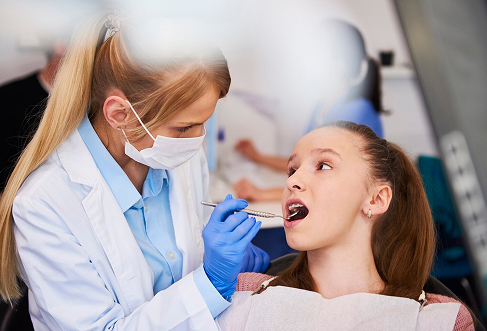
Choosing an orthodontist is one of the most important healthcare decisions you'll make. You're not just choosing someone to straighten teeth—you're trusting them with your smile, your bite, and years of your life.
.jpg)
As a parent, you want to do everything right for your child's health. But when it comes to orthodontics, the timing can be confusing. Here's what you need to know.
.jpg)
It's one of the first questions everyone asks: "How long will I be in braces?" The answer depends on your case, not the calendar. But here's what you need to know to set realistic expectations.
Book your free consultation and get your personalized plan, smile simulation, and estimate today
Beverly Hills Braces is accepting and respectful of every patient’s dental needs and situation.
.svg)
.svg)
.svg)
.svg)
Copyright © 2026 Beverly Hills Braces.
All Right Reserved.
Quick Links
Copyright © 2026 Beverly Hills Braces.
All Right Reserved.

.svg)