
.svg)

Catch It Early. Fix It Faster.
The American Association of Orthodontists Recommends Every Child See an Orthodontist by Age 7.
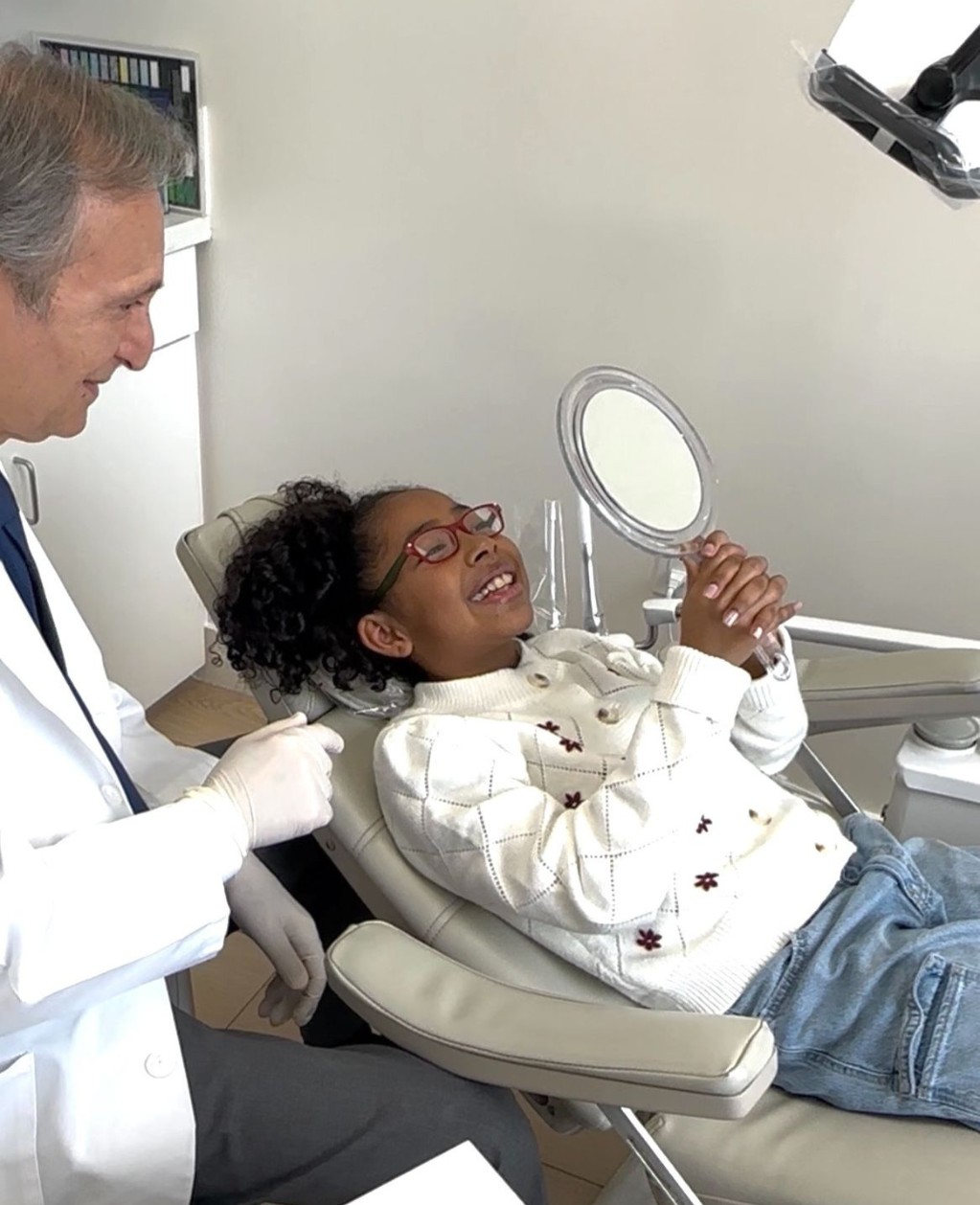
By age 7, your child's first permanent molars and incisors have come in — giving an experienced pediatric orthodontist the clearest possible picture of how their bite, jaw, and teeth are developing. This is precisely when should a child see an orthodontist becomes a question every parent should be asking.
An early orthodontic evaluation is a roadmap — not a commitment. We monitor your child's development and step in only when early action can save time, money, and complexity down the road.
Bite issues, crowding, and jaw growth problems are far simpler to correct during childhood, when the jaw is still growing and responsive. Waiting often turns a minor concern into a major treatment.
Children who receive Phase 1 orthodontic treatment often need shorter, simpler care as teens — and many skip Phase 2 entirely.
Fun Fact: A child's jawbone is naturally softer and more adaptable than an adult's. That's why a palatal expander takes just months to work in kids — but may require surgery in adults.

Crossbites, underbites, and severe overbites are best corrected through interceptive orthodontics while the jaw is actively growing. Jaw growth correction in children is most effective before the growth plates close.

Creating space early through early dental alignment treatment can prevent the need for extractions later and guide adult teeth into their ideal positions.

Prolonged thumb sucking, tongue thrusting, or mouth breathing can reshape developing jaws. Habit appliances used in preventive orthodontics correct these behaviors quickly.

Even if no treatment is needed immediately, an early orthodontic evaluation provides a clear developmental snapshot and an honest, personalized plan.
During your child's orthodontic screening, Dr. Molayem carefully assesses:
Overbite, underbite, crossbite, or open bite — all conditions that benefit from early orthodontic treatment before jaw growth is complete.
Insufficient room for erupting adult teeth, teeth coming in at angles, or large gaps that indicate a need for interceptive orthodontics.
Upper or lower jaw growing too fast, too slow, or too narrow — all conditions best addressed during active childhood development through Phase 1 orthodontic treatment.
Thumb sucking, tongue thrusting, and mouth breathing that can alter jaw structure if not addressed through preventive orthodontics.
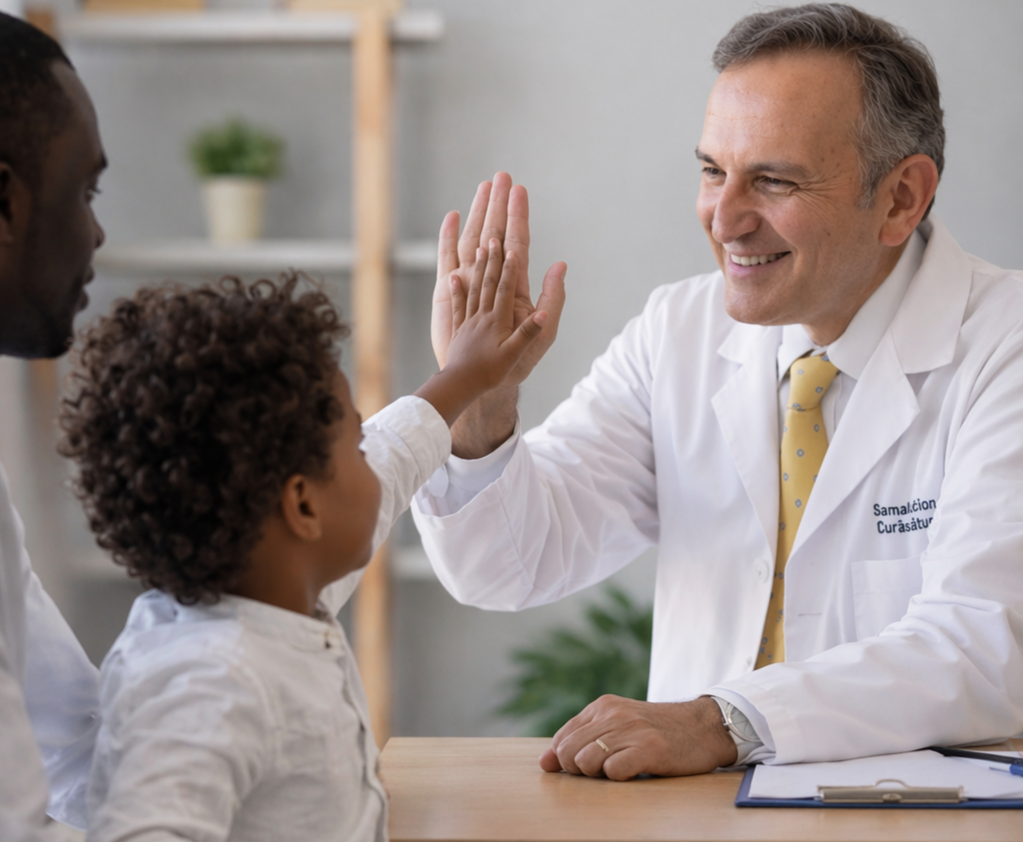
Early orthodontic treatment for children lays the foundation for a healthier, more confident smile — making future care easier, faster, and more effective. Benefits of orthodontic treatment for kids:
Prevent Bigger Problems
Interceptive orthodontics addresses bite and jaw issues before they become complex and costly.
Shorter Teen Treatment
Phase 1 orthodontic treatment often makes Phase 2 faster — or eliminates it entirely.
Build Confidence Early
Help your child feel great about their smile during crucial developmental years.
Non-Invasive Solutions
Early braces for kids and habit appliances are gentle, comfortable, and minimally disruptive.
Goal of Phase 1 orthodontic treatment: Guide jaw growth, create space for adult teeth, and correct developing problems through interceptive orthodontics.
Common treatments include:
Timeline: 9–18 months, followed by monitoring every 6–12 months until all adult teeth have erupted.
Goal of Phase 2 Orthodontic Treatment: Align all permanent teeth and achieve a complete, healthy bite.
Common treatments include:
Timeline: 12–24 months
Not every child needs both phases. Many only need Phase 2. We provide clear, honest recommendations based on your child's individual development — never more treatment than necessary.
👉 Book a Free Evaluation — find out exactly where your child stands.
Dr. Molayem has successfully treated thousands of children through both Phase 1 and Phase 2 orthodontic treatment — with outstanding long-term results.
We make every visit stress-free and even fun. Kids genuinely look forward to coming to Beverly Hills Braces.
Serving Beverly Hills and Encino — both easily accessible for families across the greater Los Angeles area.
.svg)
.svg)
The American Association of Orthodontists recommends every child have their first orthodontic evaluation by age 7. At this stage, the first permanent molars and incisors have typically come in, giving our team a clear view of jaw development and potential issues. Early orthodontic treatment is most effective when the jaw is still growing and responsive.
Interceptive orthodontics — also called Phase 1 orthodontic treatment — is a targeted, early intervention designed for children ages 7–10. Rather than waiting until all adult teeth have erupted, we use palatal expanders, space maintainers, or limited braces to guide jaw and tooth development proactively. This differs from traditional braces, which are typically used once all permanent teeth are in.
Phase 1 orthodontic treatment typically takes between 9 and 18 months, depending on the specific issues being addressed. Following Phase 1, we monitor growth every 6 to 12 months to determine if Phase 2 will be needed.
Absolutely. Early braces for kids and orthodontic appliances are designed to integrate seamlessly into your child's daily life. Sports, music, and other activities can continue with minimal to no disruption. We do recommend a mouthguard for contact sports.
Most orthodontic insurance plans include coverage for Phase 1 orthodontic treatment. Our team will work with you to understand your benefits and maximize your coverage. We also offer flexible payment options to make pediatric orthodontics accessible for every family.
Not necessarily. An early evaluation doesn't mean immediate treatment — it means we're monitoring your child's development and catching concerns before they become complex. Many children simply need periodic observation before any early braces for kids or appliances are recommended.
If you notice signs of a bite problem, jaw misalignment, or a harmful oral habit in a child younger than 7, don't wait. Early intervention through preventive orthodontics is always better than delayed treatment. Schedule a consultation — we'll assess their development and advise accordingly.
Most pediatric orthodontic treatments are gentle and well-tolerated. Your child may feel mild pressure for one to two days following an adjustment, but this is temporary and typically not painful. Our team takes extra care to ensure your child is comfortable throughout every stage of treatment.
Possibly, but Phase 1 orthodontic treatment often makes Phase 2 significantly shorter and less invasive. Some children who undergo early orthodontic treatment are able to skip Phase 2 entirely. We'll be upfront with you about what to expect throughout the process.
Jaw growth correction in children is a core part of interceptive orthodontics. If the upper or lower jaw is developing too narrow, too fast, or too slow, specialized appliances like palatal expanders can guide proper growth while the jaw is still malleable. Addressing this during childhood avoids far more complex interventions — sometimes including surgery — in adulthood.
.jpg)
.svg)

.svg)
.svg)
.svg)
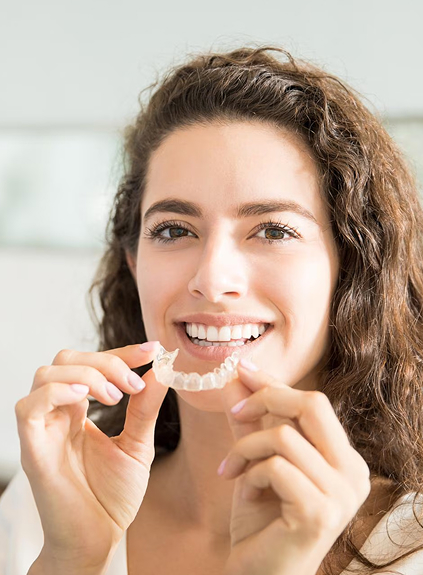
Straighten teeth with Invisalign clear aligners with Beverly Hills Braces. Comfortable, discreet treatment options. Schedule a consultation.

%201.jpg)
Beverly Hills Braces provides Teen orthodontic treatments with braces and Invisalign for confident smiles. Explore safe options and book an appointment.

Explore Beverly Hills Braces for adult orthodontics and embrace a confident smile at any age. Find the best invisalign treatment options with us.

Correct shifting teeth or previous orthodontic issues with retreatment options in Beverly Hills Braces. Restore your smile with expert care.

Traditional braces are one of the most effective, reliable orthodontic treatments available for correcting crowded teeth, spacing issues, overbites, underbites, and complex bite misalignment. At Beverly Hills Braces, Orthodontist Dr. Sid Molayem with decades of extensive experience treating patients of all ages — offers both traditional metal braces and clear ceramic braces tailored to each patient's unique needs.

Maintain your orthodontic treatment results with retainers and retention from BeverlyHills Braces. Protect your smile long term.
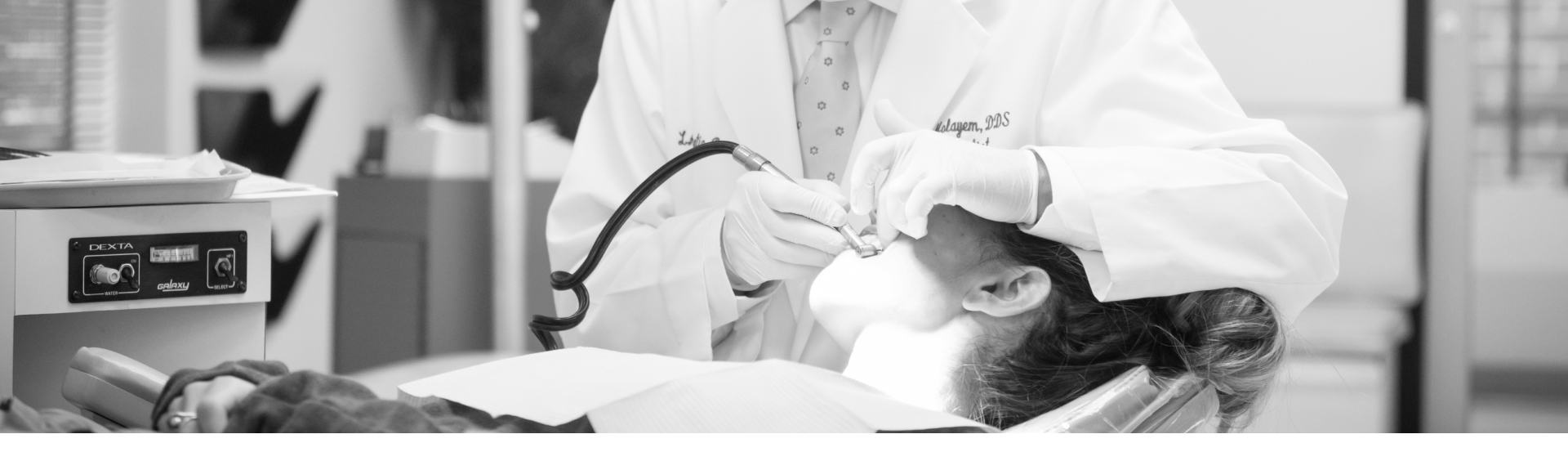
Book your free consultation and get your personalized plan, smile simulation, and estimate today
Beverly Hills Braces is accepting and respectful of every patient’s dental needs and situation.
.svg)
.svg)
.svg)
.svg)
Copyright © 2026 Beverly Hills Braces.
All Right Reserved.
Quick Links
Copyright © 2026 Beverly Hills Braces.
All Right Reserved.
.jpg)
.svg)
.svg)