
.svg)



With over 40 years of experience in orthodontics, Dr. Sid Molayem has helped thousands of patients achieve healthier, straighter, and more confident smiles.
Phase 1 — also called early or interceptive orthodontic treatment — is a focused round of orthodontic care for children who still have a mix of baby teeth and permanent teeth. It typically takes place between ages 6 and 10, well before a child would get full braces.
The goal isn't to straighten every tooth. It's to address specific developmental issues while the jaw is still growing — guiding bone development, creating space for permanent teeth, and correcting problems that would be harder (and more invasive) to fix later.
Phase 1 is always followed by a monitoring period. Many children then move into Phase 2 (comprehensive braces or Invisalign) once all permanent teeth have come in, usually in the early teen years.
Not every child needs Phase 1. But there are specific situations that help determine when to schedule your child's first orthodontic visit, where early intervention can make a meaningful difference:
Crossbites
When the upper jaw is too narrow, upper teeth bite inside the lower teeth. An expander used during Phase 1 can widen the upper jaw while the bones are still flexible — something that becomes much harder after growth is complete.
Severe crowding
If there clearly isn't enough room for permanent teeth to come in properly, early treatment can create space and reduce the risk of impacted teeth or the need for extractions later.
Protruding front teeth
Upper front teeth that stick out significantly are at higher risk for injury — especially for active kids. Phase 1 can help move them into a safer position.
Jaw growth discrepancies
If the upper and lower jaws are growing at different rates, early appliances can help guide more balanced growth while the child is still developing.
Harmful oral habits
Prolonged thumb-sucking or tongue-thrusting can affect jaw shape and tooth alignment. Habit appliances can gently discourage these patterns before permanent damage occurs.
Underbites
When the lower jaw sits ahead of the upper jaw, early treatment may help redirect growth and improve the bite relationship.
A custom-fitted device that sits on the roof of the mouth and gradually widens the upper jaw. Parents turn a small key daily (or every few days) according to the orthodontist's instructions. Expansion typically takes a few weeks, followed by several months of stabilization.
Expanders are one of the most common and effective Phase 1 appliances. They work best while the midpalatal suture (the growth plate in the roof of the mouth) is still flexible — typically before age 12–14.
Brackets placed on a few specific teeth (not the whole mouth) to correct alignment, close gaps, or guide erupting permanent teeth into better positions. Partial braces during Phase 1 are targeted — they address specific problems, not full alignment.
If a baby tooth is lost too early, a space maintainer holds the gap open so the permanent tooth can erupt in the right position. Without a maintainer, neighboring teeth can drift into the space, causing crowding.
Devices designed to discourage thumb-sucking or tongue-thrusting. They're typically fixed (cemented in place) so the child can't remove them. Most children adapt within a few weeks.
Key point: Phase 1 doesn't replace Phase 2. It addresses issues that are best treated early, while Phase 2 handles the final, comprehensive alignment once all permanent teeth are in.
No. Most children only need Phase 2 — comprehensive braces or Invisalign in their teen years.
Phase 1 is recommended when a specific problem is identified that:
A responsible orthodontist won't recommend Phase 1 unless there's a clear clinical reason. If you're ever unsure, seeking a second opinion is perfectly reasonable.
After Phase 1 is complete, your child enters a monitoring period (sometimes called the "resting phase"). During this time:
This period typically lasts 1–3 years, depending on your child's development, which gives parents a clear idea of how long orthodontic treatment takes. The orthodontist will determine the right time to begin Phase 2 based on how the teeth and jaw are progressing.
Some children's issues are fully corrected in Phase 1 and may not need Phase 2 at all — but this is the exception rather than the rule.
The American Association of Orthodontists (AAO) recommends that every child have an orthodontic evaluation by age 7.
This doesn't mean treatment will start at 7. In most cases, the orthodontist will say "everything looks fine — let's monitor." But an early evaluation allows the orthodontist to:
Early evaluation is free at most orthodontic practices and carries no obligation to begin treatment.
Is Phase 1 really necessary, or is the orthodontist trying to upsell me?
Phase 1 is only recommended when a specific clinical issue is identified that benefits from early intervention. If you're uncertain, ask the orthodontist to explain the specific problem, what happens if you wait, and what the treatment will accomplish. A second opinion is always a reasonable option.
What happens between Phase 1 and Phase 2?
Your child enters a monitoring phase where remaining baby teeth fall out and permanent teeth come in. The orthodontist will check progress every few months and determine the right time to start Phase 2.
Will my child still need braces later?
In most cases, yes. Phase 1 addresses specific developmental issues, but comprehensive alignment (Phase 2) is usually needed once all permanent teeth are in. Phase 1 may help make Phase 2 shorter or less complex.
How long does Phase 1 take?
Typically 6–18 months of active treatment, depending on the issue being addressed. This is followed by a monitoring period of 1–3 years before Phase 2.
At what age should my child first see an orthodontist?
The AAO recommends an evaluation by age 7. Most children won't need treatment that early, but an evaluation allows the orthodontist to monitor development and plan ahead.
How much does Phase 1 cost compared to full treatment?
Phase 1 is typically less expensive than comprehensive Phase 2 treatment since it's shorter and more focused. Many practices offer combined Phase 1 + Phase 2 pricing. Ask about total cost during your consultation.
The best way to know if your child needs early orthodontic treatment is a simple evaluation. At Beverly Hills Braces, we see children of all ages and will give you an honest recommendation — including whether waiting is the right call.
Two locations in Beverly Hills and Encino. Free evaluations for kids age 7 and up.
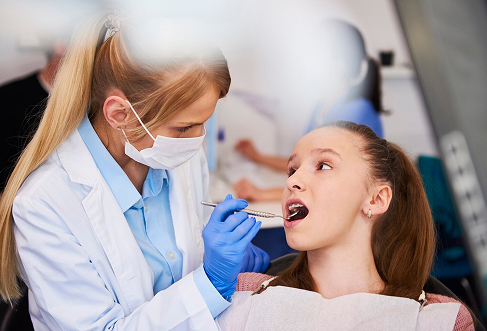
Choosing an orthodontist is one of the most important healthcare decisions you'll make. You're not just choosing someone to straighten teeth—you're trusting them with your smile, your bite, and years of your life.
.jpg)
As a parent, you want to do everything right for your child's health. But when it comes to orthodontics, the timing can be confusing. Here's what you need to know.
.jpg)
It's one of the first questions everyone asks: "How long will I be in braces?" The answer depends on your case, not the calendar. But here's what you need to know to set realistic expectations.

Book your free consultation and get your personalized plan, smile simulation, and estimate today
Beverly Hills Braces is accepting and respectful of every patient’s dental needs and situation.
.svg)
.svg)
.svg)
.svg)
Copyright © 2026 Beverly Hills Braces.
All Right Reserved.
Quick Links
Copyright © 2026 Beverly Hills Braces.
All Right Reserved.

.svg)