
.svg)



With over 40 years of experience in orthodontics, Dr. Sid Molayem has helped thousands of patients achieve healthier, straighter, and more confident smiles.
Have you ever noticed that your teeth are not as straight as they were after the Orthodontic treatment? Don’t worry!
Orthodontic relapse or gradual shifting of teeth after treatment is common among many individuals. This relapse is common, preventable, and usually fixable.
It occurs once the teeth start shifting back to their original position after treatment. This can be seen after removal of braces or after completion of Invisalign treatment, or it may take a long time to develop.
In this blog, we will explore why Orthodontic relapse occurs and why retreatment is necessary. We will further discuss the common causes, how to prevent this, whether Invisalign works well for retreatment, and the durability of retainers.
Start reading, keep looking your best, and ensure your results last for a lifetime!
Relapse after orthodontic treatment is a common phenomenon, and this natural movement occurs in all individuals.
Understanding the reasons behind the phenomenon enables you to take preventive measures to preserve your stunning results.
Teeth are well supported by bone and soft tissues that evolve over your lifetime. Bone remodeling is a natural process that helps your body maintain the health of your teeth and gums.
While you eat, bite, and use your mouth daily, subtle forces are transmitted to the teeth and the adjacent bone. These pressures lead to small, gradual changes as your jawbone regenerates and adjusts to everyday pressure.
Moreover, as we grow older, the bone that supports our teeth may become less dense. Even the ligaments that secure teeth in place can lose elasticity.
These subtle changes can cause teeth to drift or rotate, even after successful orthodontic treatment, slowly.
Chewing, conversing, and normal oral behaviors exert gentle, continuous force on your teeth.
With time, even these minor forces can slowly move teeth out of alignment as your mouth adjusts to everyday use. These alterations are part of the natural, evolving environment of your mouth.
With age, the jawbone and gum tissue naturally undergo remodeling and may sometimes experience a loss of density.
The process can gradually change the support framework surrounding your teeth, increasing their vulnerability to movement.
Slight crowding, particularly in the lower front teeth, is a frequent occurrence in adulthood. It is often seen years post-orthodontic treatment.
Your genetic composition affects jaw structure, tooth dimensions, and tooth alignment.
Some individuals are inherently more susceptible to dental shifting or relapse, even when their orthodontic treatment was effective.
Genetics can influence how your teeth react to the pressures of everyday life and the effects of aging.
Behaviors like teeth grinding, jaw clenching, mouth breathing, or constant nail-biting exert extra uneven force on your teeth.
Eventually, these pressures misalign teeth or worsen current shifts. It highlights the need to address these habits as part of your ongoing dental health.
Yes, teeth move even with great oral care and adherence to your dentist's advice.
Brushing, flossing, and routine dental visits are crucial for maintaining healthy teeth and gums. But these steps do not prevent the natural processes occurring in your mouth.
Moreover, factors such as aging, genetics, and changes in your bite or jaw can lead to gradual tooth shifting over time.
Some individuals inherently feel crowding as their jaw structure changes or as bone density decreases over time. Although you may have never skipped proper hygiene practices, these biological processes can still cause slight shifts in tooth position.
This is why long-term retention is vital in orthodontic treatment.
Utilizing your retainer as advised by your orthodontist is the best method to safeguard your investment and maintain your smile’s appearance.
Orthodontic relapse occurs when teeth shift after braces or aligners, and it is more common than many people think.
Although wearing a retainer is the most crucial factor, several other influences can also play a significant role. Understanding these root causes is essential for maintaining your smile in the long run.
Here we will discuss why teeth move even after the treatment -
Sometimes, the initial orthodontic treatment does not fully address all the factors that affect tooth movement.
For example, the first round of treatment may have:
• Left some bite issues uncorrected, affecting how the upper and lower teeth fit together.
• Not tackled the underlying causes of crowding or spacing.
• Failed to position teeth in a way that is stable long-term.
When these issues remain unresolved, teeth are more likely to drift back to their original positions.
Thus, having a specialist expertise and focus on stability is crucial. A lasting result depends on more than straight teeth. It requires a healthy bite and a realistic and personalized retention strategy.
Teeth and jaws are always changing throughout life. Growth and aging both contribute to orthodontic relapse, even years after treatment.
• Teen Growth:
During the teenage years, natural jaw and facial growth change the alignment of teeth and bite. Even after completing braces, ongoing growth creates new pressures that may cause teeth to shift.
• Adult Tooth Shifting:
As we age, gradual changes happen in the jawbone and gum tissue. These changes lead to slight crowding or rotation, especially in the lower front teeth, even with proper maintenance.
Many people believe that wisdom teeth are the main cause of crowding in late teens and adults. However, research shows that teeth can shift even in people who never develop wisdom teeth.
While the timing of crowding may coincide with the emergence of wisdom teeth, they are not the only or primary factor involved.
Even after orthodontic treatment, some everyday habits slowly push your teeth out of alignment. These habits often go unnoticed but can significantly affect your long-term results.
Here are some of the most common habits to watch out for:
• Teeth Grinding (Bruxism):
Clenching or grinding your teeth, especially at night, can put too much pressure on your teeth. It can gradually move teeth out of their correct positions.
• Tongue Thrusting:
Pushing the tongue against the teeth when swallowing, speaking, or even at rest creates forward pressure that shifts teeth over time.
• Mouth Breathing:
Consistently breathing through the mouth rather than the nose disrupts the natural development of the jaws and can lead to changes in tooth alignment.
• Nail Biting:
Biting nails or chewing on pens, pencils, or other objects puts unnatural forces on your teeth, which can cause movement or rotation.
• Cheek or Lip Biting:
Habitually biting the insides of your cheeks or lips can create uneven pressure on certain teeth, leading to subtle movement or misalignment.
Many patients are surprised to learn that teeth relapse after braces is a natural possibility. Also referred to as relapse braces or orthodontic relapse after braces, this occurs because teeth are not permanently fixed in place—they are supported by living tissues that can change over time.
If you’re wondering how does orthodontic relapse happen years after braces removal, the answer lies in long-term biological changes. After treatment, the bone and soft tissues around your teeth need time to stabilize. Without proper retention, these structures may gradually allow teeth to shift. Even years later, everyday forces like chewing pressure, minor jaw changes, and natural aging can contribute to slow movement.
Preventing orthodontic relapse after braces comes down to consistency and maintenance:
Orthodontic relapse after braces doesn’t mean your treatment failed—it simply means your smile needs ongoing care. With the right braces relapse prevention approach, you can maintain your results and keep your smile aligned for years to come.
If you are considering retreatment for orthodontic care, you are not alone.
As access to braces and aligners has increased, more people are seeking treatment later in life. It is mainly because they are unhappy with their results or have experienced relapse.
A recent study found that about one-third of orthodontic patients would consider orthodontic retreatment. They want to improve their smile again and correct shifting teeth.
Retreatment care in orthodontics focuses on carefully addressing problems that persist after previous orthodontic work. It may include teeth that have shifted back, bite issues that were never fully resolved, or results that no longer meet your aesthetic expectations.
In a high-end setting, orthodontic retreatment is not just about redoing braces. It is a planned upgrade that considers both function and appearance, supported by advanced diagnostics and refined appliance choices.
Opting for a second round of orthodontic treatment is not uncommon. It doesn’t mean your first treatment was a failure.
You might benefit from retreatment if you notice:
• Teeth that have noticeably shifted or become crooked again.
• New gaps, crowding, or bite changes.
• A retainer that no longer fits or feels tight.
• Difficulty keeping teeth clean due to new overlapping or crowding.
Orthodontists will evaluate whether retreatment is necessary based on the amount of shifting, your bite alignment, and your smile goals. In some cases, only a minor touch-up with clear aligners may be needed.
In others, comprehensive retreatment with braces or aligners may yield the best results. The right approach depends on your unique situation, dental history, and lifestyle.
The length of orthodontic retreatment varies based on how much your teeth have moved and the type of correction needed:
• Minor Shifts:
A short course of clear aligners or limited braces may take just a few months for small adjustments. It takes about 3 to 6 months.
• Moderate to Major Shifts:
If significant crowding, bite correction, or multiple teeth are involved, retreatment may take a year or longer, similar to the initial orthodontic treatment.
• Retention Phase:
After active retreatment, you will enter the retention phase again. Wearing your retainer as directed is crucial for protecting your new results and preventing future relapse.
Your orthodontist will create a personalized timeline and discuss what to expect at each stage.
With today’s techniques, retreatment is often more efficient and comfortable than ever. It helps you regain your confident smile with less hassle.
Completing orthodontic retreatment is a significant step toward achieving a healthy, aligned smile. But keeping your results in the long term requires a proactive approach.
Here’s how you can prevent your teeth from shifting after retreatment and protect your investment in your smile:
1. Commit to Consistent Retainer Wear
Your retainer is a vital tool for maintaining your results. After retreatment, your orthodontist will provide specific instructions on when and how long to wear your retainer.
For most patients, wearing a removable retainer as directed is essential. Some may receive a fixed retainer for continuous support. Skipping even a few nights can cause teeth to drift, so make retainer wear part of your nightly routine.
2. Build Lasting Retainer Habits
Consistency is crucial. Keep your retainer case somewhere visible, set reminders on your phone, and create a routine that makes retainer wear automatic.
If you travel, always take your retainer and its case. Developing strong habits early makes retention feel effortless over time.
3. Monitor for Early Changes
Watch for any signs that your teeth may be shifting: a retainer that feels tight, a tooth that looks slightly rotated, or new gaps or crowding. If you notice anything unusual, contact your orthodontist promptly. Early intervention can address minor issues before they become bigger problems.
4. Maintain Excellent Oral Hygiene
Healthy gums and bone provide the foundation for stable teeth. Brush and floss daily, and see your dentist for regular checkups and cleanings. Inflammation or gum disease can compromise tooth stability, so good oral care is vital for long-term success.
5. Avoid Harmful Oral Habits
Habits like teeth grinding, clenching, nail biting, or using your teeth as tools can place unwanted pressure on your teeth and retainer. Talk to your orthodontist if you have any of these habits; they can offer solutions, such as night guards or strategies to break them.
6. Stay in Touch with Your Orthodontist
Regular follow-up appointments are crucial, even after active treatment is complete. Your orthodontist will check your retention, monitor for changes, and adjust your plan as needed to keep your smile stable.
Fixed and removable retainers are crafted to maintain your teeth in their new positions after orthodontic treatment.
Fixed retainers are securely attached behind the teeth and remain in place continuously without daily removal. It makes them perfect for individuals seeking a "set it and forget it" solution.
On the other hand, removable retainers offer flexibility and are easy to clean, but they require regular use and careful management.
The best choice depends on your lifestyle, personal preferences, and your orthodontist’s recommendations. Sometimes, a combination of both may offer the most reliable long-term results.
The best decision depends on your lifestyle, personal preferences, and your orthodontist's advice. At times, a mix of both can provide the most dependable, long-lasting outcomes.
Invisalign uses a series of tailored clear aligners to shift your teeth into place gradually.
Each set is designed with 3D imaging and changed every 1 to 2 weeks as your teeth move. These aligners help you straighten your teeth comfortably and fit easily into your daily life.
The modern clear aligners are a popular and effective option for many cases of orthodontic relapse.
Invisalign clear aligners are especially effective for correcting minimal to moderate orthodontic relapse.
They work effectively if you notice-
• Slight rotations or tipping of a single tooth.
• Your retainer no longer fits as snugly as it did.
• Minor crowding or spacing was noticed after your initial treatment.
Clear aligners are comfortable and removable, making them easy to use daily. These are quite popular among adults and teenagers who want to realign their teeth without hassle.
Invisalign retreatment offers a straightforward solution with predictable results for many retreatment patients. It often takes less time than the original treatment, especially when you properly care for your Invisalign aligners.
While Invisalign provides great flexibility, it does have some limitations. Clear aligners may not be right for you if you have:
• Bite issues that require major jaw or tooth movement.
• Severe crowding or spacing that affects multiple teeth.
• Complex problems with tooth position that need precise control.
Traditional braces or a combination of orthodontic approaches may be necessary to achieve the best and most stable results.
Your orthodontist performs a thorough evaluation to determine if clear aligners can meet your needs.
Invisalign is a practical and efficient option for various retreatment scenarios. The appropriate approach ultimately relies on your unique circumstances and objectives.
A professional assessment will help you select the optimal route to an assured, enduring smile.
Retainers are crucial for maintaining the results of your orthodontic treatment, but they are not meant to last indefinitely.
The durability of a retainer relies on its type, the level of maintenance, and your personal habits.
Removable retainers last for 1 to 5 years, whereas fixed retainers can last several additional years with appropriate care.
• Wear and Tear Is Normal:
Daily wear will ultimately lead your retainer to show signs of wear and tear. Plastic retainers become deformed, break, or lose their color.
Fixed retainers may become loose or sustain damage, particularly when subjected to hard foods or inadequate oral hygiene.
• Care Extends Lifespan:
Regularly cleaning your retainer, keeping it securely in place, and avoiding exposure to heat or rough treatment contribute to its longevity.
• Regular Check-Ups Are Key:
Visiting your orthodontist for regular check-ups ensures your retainer is functioning properly and helps preserve your smile over time.
When to Replace Them?
If your retainer feels loose, damaged, distorted, or no longer fits as it once did, you must get a new one. Don't wait for your teeth to start moving. Reach out to your orthodontist immediately if you notice an issue. Using a damaged or poorly fitting retainer can be as detrimental as not using one at all. By being diligent about retainer maintenance and replacement, you will safeguard your beautifully aligned smile for many years to come.
Orthodontic relapse occurs more frequently than many realize, but you will not lose all the progress you have made. Understanding the reasons and being consistent with your retainer usage and handling can safeguard your smile over time.
You have to take initiative, look for any changes, maintain excellent oral hygiene, and always contact the professional if you observe anything unusual.
If you notice signs of movement or seek professional guidance on maintaining your results, our team at Beverly Hills Braces is here to help you.
Our expert team will guide you through your retainers and retention options and create a retention plan that fits your lifestyle. We are here to help you protect your investment and keep your smile looking its best.
Schedule a consultation today for a tailored assessment with Beverly Hills Braces. We will help you in maintaining your smile's confidence, health, and perfect alignment now and in the future!
Yes, it’s completely normal. Teeth may naturally move over time due to daily pressure, aging, and other factors. That's why retainers are essential; they help maintain your teeth in their newly aligned positions and prevent unwanted shifting.
Not essential. In many instances, gentle movements can be addressed with a brief series of clear aligners or small adjustments rather than complete braces.
The most effective way to determine your needs is to arrange a consultation, which will allow your orthodontist to suggest the easiest and most efficient solution.
Many individuals gain advantages from using a retainer for an extended period, typically every night.
Your orthodontist will develop a strategy customized to your bite and your specific likelihood of relapse. Wearing your retainer regularly is the most effective method to preserve your results for many years.
Yes, it may often occur. Invisalign and similar clear aligners are excellent choices for addressing mild to moderate relapse after braces. The appropriate solution relies on your bite and the particular tooth adjustments needed, making a professional assessment the ideal initial step.
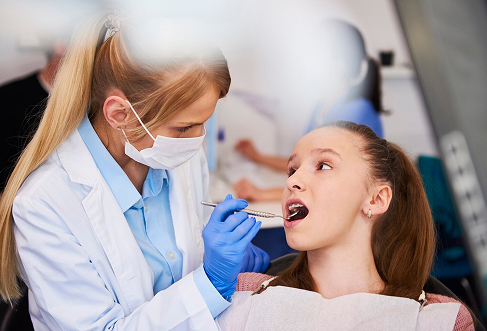
Choosing an orthodontist is one of the most important healthcare decisions you'll make. You're not just choosing someone to straighten teeth—you're trusting them with your smile, your bite, and years of your life.
.jpg)
As a parent, you want to do everything right for your child's health. But when it comes to orthodontics, the timing can be confusing. Here's what you need to know.
.jpg)
It's one of the first questions everyone asks: "How long will I be in braces?" The answer depends on your case, not the calendar. But here's what you need to know to set realistic expectations.
Book your free consultation and get your personalized plan, smile simulation, and estimate today
Beverly Hills Braces is accepting and respectful of every patient’s dental needs and situation.
.svg)
.svg)
.svg)
.svg)
Copyright © 2026 Beverly Hills Braces.
All Right Reserved.
Quick Links
Copyright © 2026 Beverly Hills Braces.
All Right Reserved.

.svg)